Table of Contents
What Is Orlistat? How Orlistat Works Weight Loss Results Benefits & Advantages Risks & Side Effects FAQ Popular ComparisonsWhat Is Orlistat?
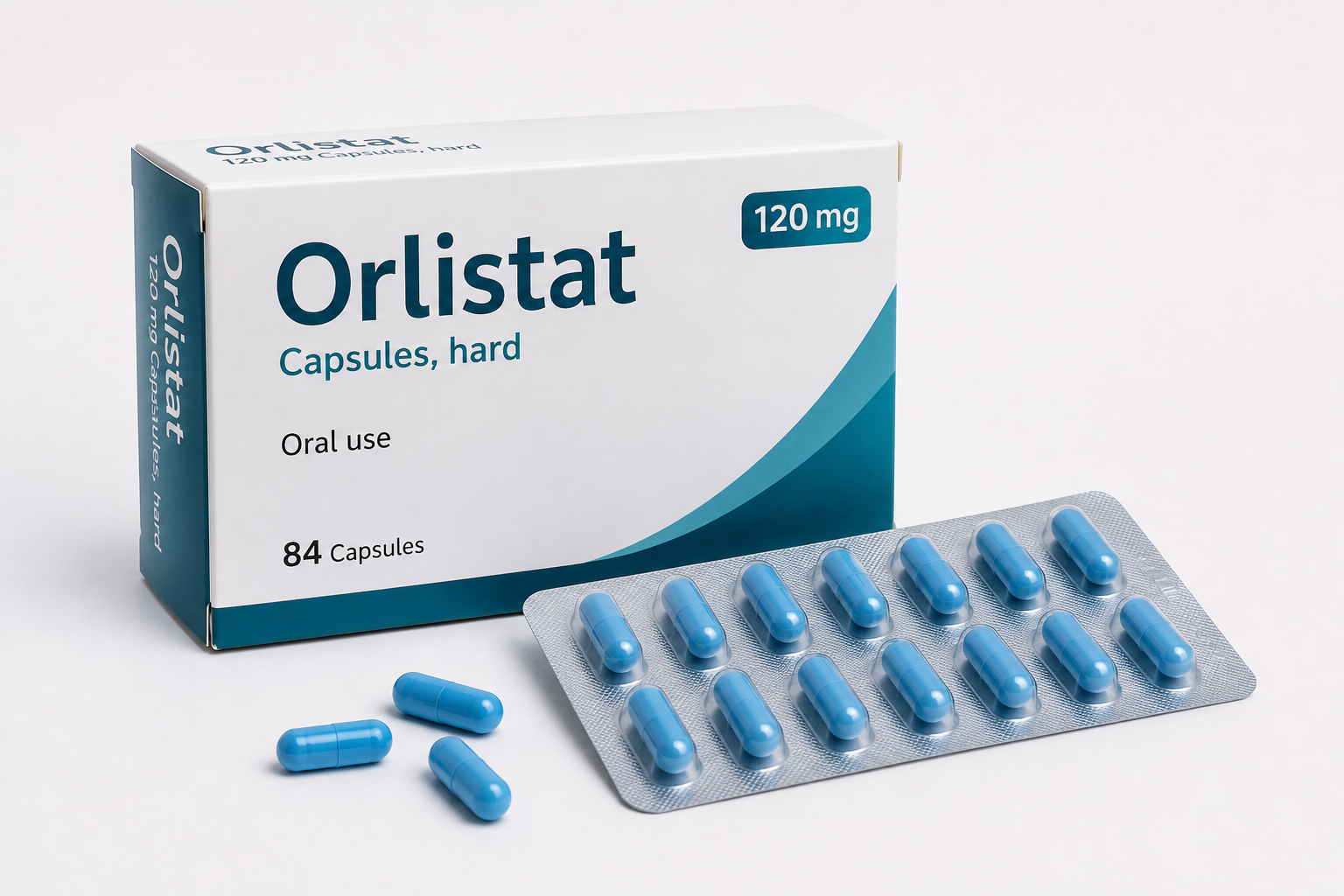
Orlistat is a weight loss medication designed to reduce the amount of dietary fat absorbed by the body. It belongs to a class of medications known as lipase inhibitors and is often prescribed for obesity management and long-term weight control.
Unlike appetite suppressants or GLP-1 medications, Orlistat works directly inside the digestive tract by blocking enzymes that break down fat. As a result, part of the fat consumed in meals passes through the body instead of being absorbed.
Orlistat is usually combined with a reduced-calorie diet, exercise, and broader lifestyle changes to improve weight loss outcomes and support long-term maintenance.
How Orlistat Works
Orlistat blocks gastrointestinal lipases, the enzymes responsible for breaking down dietary fats during digestion.
- Reduces fat absorption from meals
- Helps lower overall calorie intake
- Works directly inside the digestive tract
- Does not directly affect appetite or brain chemistry
- Supports gradual weight reduction over time
Because unabsorbed fat is eliminated through bowel movements, digestive side effects are relatively common, especially after high-fat meals.
Expected Weight Loss Results
Orlistat may support moderate long-term weight loss when combined with consistent lifestyle changes.
- Weight reduction is usually gradual
- Results improve with lower-fat diets
- Many users notice changes within several weeks
- Long-term consistency improves maintenance
Weight loss outcomes vary depending on diet quality, physical activity, and adherence to treatment recommendations.
Benefits & Advantages
- Non-stimulant weight loss medication
- No direct appetite suppression effects
- Available in prescription and lower-dose OTC versions
- Can support cholesterol improvements
- Useful for long-term weight management plans
Orlistat may be suitable for people seeking a non-hormonal approach to weight management, especially when combined with structured dietary habits.
Risks & Side Effects
Most Orlistat side effects are related to digestion and fat elimination.
- Oily stools
- Frequent bowel movements
- Gas with discharge
- Urgent bowel movements
- Abdominal discomfort
- Reduced absorption of fat-soluble vitamins
Following a lower-fat diet may help reduce digestive side effects significantly.
Read the full Orlistat side effects guide for detailed safety information.
Frequently Asked Questions
Popular Orlistat Comparisons
Compare Orlistat Options
Explore pricing, dosage options, and alternatives online.
References below relate to Orlistat and research on obesity treatment.