Topamax Overview

Complete guide to topiramate (Topamax) for weight loss, migraines, appetite control, and off-label use

Quick Summary: Topamax (topiramate) is an anticonvulsant medication sometimes used off-label for weight loss and appetite suppression. It is also commonly prescribed for migraine prevention and seizure disorders.

Table of Contents

What Is Topamax? How Topamax Works Weight Loss Effects Benefits & Uses Side Effects & Risks FAQ Popular Comparisons

What Is Topamax?

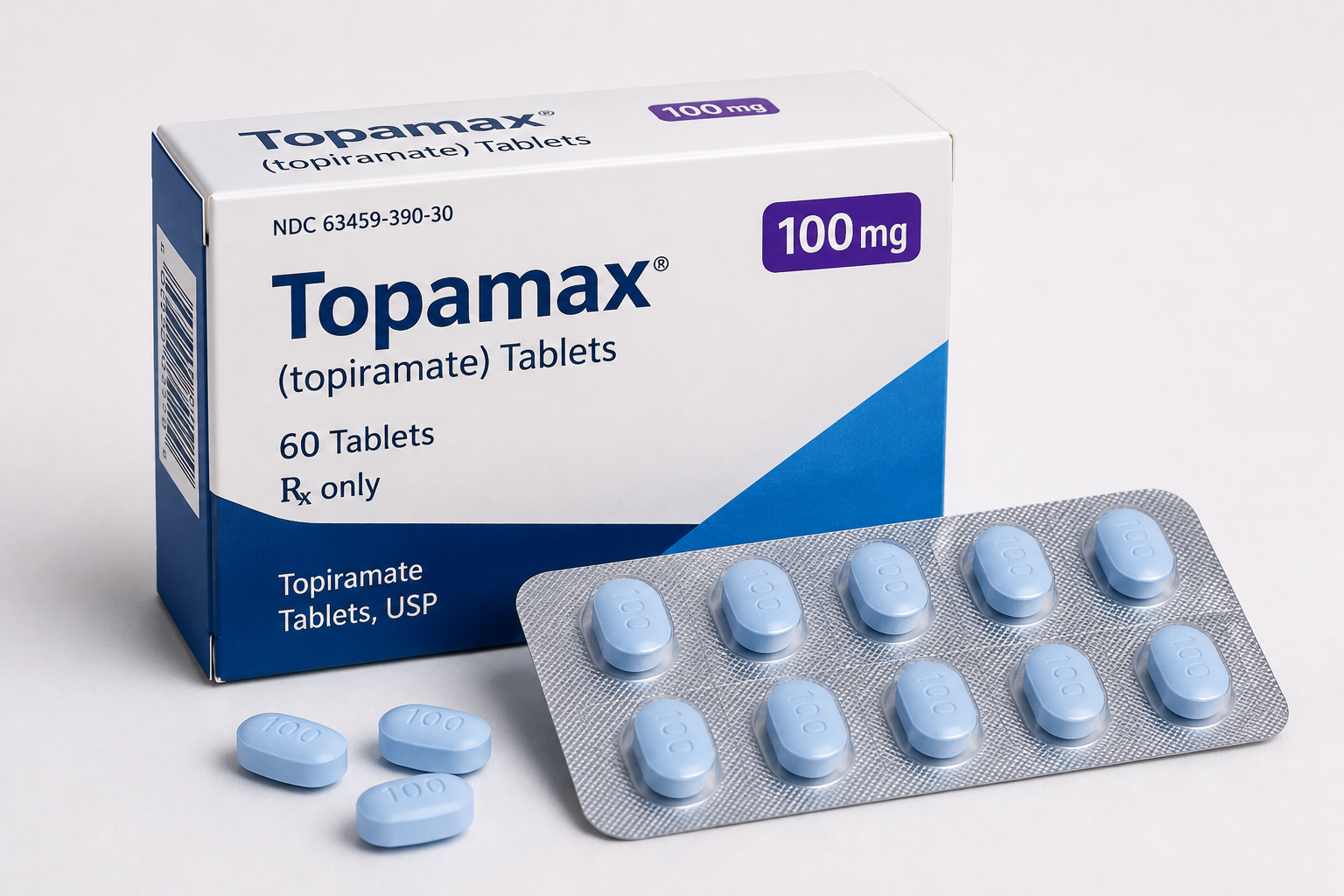
Topamax pills

Topamax (topiramate) is a prescription medication originally developed to treat epilepsy and prevent seizures. It is also widely used for migraine prevention and is sometimes prescribed off-label for weight loss.

The medication affects neurotransmitters in the brain that influence appetite, cravings, and satiety. Because of this, some patients experience reduced hunger and lower calorie intake.

Topamax is typically taken orally in tablet form and dosage is adjusted gradually based on tolerance and response.

How Topamax Works

Topiramate influences brain activity related to appetite regulation and reward pathways.

  • Reduces appetite and food cravings
  • Alters taste perception in some users
  • May increase feelings of fullness
  • Impacts neurotransmitters like GABA and glutamate
  • Can reduce binge-eating tendencies

These effects can lead to decreased caloric intake and gradual weight reduction in some patients.

Weight Loss Effects

Topamax is not officially approved for weight loss alone, but it is sometimes prescribed off-label for this purpose.

  • Some users experience moderate weight reduction
  • Appetite suppression is one of the main effects
  • Results vary widely between individuals
  • Often used in combination with lifestyle changes

Weight loss outcomes depend on dosage, duration, diet, and individual metabolic response.

Benefits & Uses

  • Prevention of migraines
  • Seizure management in epilepsy
  • Appetite reduction (off-label use)
  • Possible reduction in binge eating behavior
  • May support long-term weight management strategies

Topamax is often chosen for patients who need both neurological treatment and appetite control support.

Side Effects & Risks

Topamax may cause side effects that vary depending on dosage and individual sensitivity.

  • Tingling in hands or feet
  • Cognitive slowing or “brain fog”
  • Fatigue
  • Loss of appetite
  • Dizziness
  • Changes in taste
  • Dry mouth

More serious risks may include kidney stones, vision problems, or mood changes. Medical supervision is important during treatment.

Read more about weight loss alternatives for safer or more targeted options.

Frequently Asked Questions

Topamax is not officially approved for weight loss, but some clinicians prescribe it off‑label when appetite reduction may support broader health goals. Its effect on weight is considered a secondary benefit rather than a primary therapeutic target. Any off‑label use should be monitored by a healthcare professional to ensure safety.

Topamax influences neurotransmitters involved in appetite, reward, and impulse control, which may reduce cravings and overall food intake. These effects vary widely between individuals and tend to develop gradually as the body adapts to the medication. Appetite changes are typically strongest when combined with structured dietary habits.

Weight changes with Topamax vary significantly, as some users notice appetite reduction within a few weeks while others respond more slowly. Meaningful weight loss usually develops over several months and depends heavily on lifestyle factors. Consistency with diet and activity tends to enhance long‑term results.

Topamax may be used long‑term when medically appropriate, but ongoing supervision is important due to potential cognitive, metabolic, and sensory side effects. Regular check‑ins help ensure the medication remains safe and effective over time. Many patients continue therapy only when benefits clearly outweigh risks.

Common side effects include tingling sensations, changes in taste, mild cognitive slowing, and digestive discomfort. These effects often appear early in treatment and may lessen as the body adjusts. A healthcare professional can help evaluate whether symptoms are manageable or require changes to therapy.

Topamax tends to work best when paired with structured lifestyle habits such as balanced nutrition and regular physical activity. Medication alone rarely produces substantial or lasting weight changes. Combining behavioral strategies with treatment often leads to more stable and predictable outcomes.

Appetite and eating patterns may gradually return to baseline after discontinuing Topamax, which can influence weight over time. Some individuals maintain progress through lifestyle adjustments, while others may experience increased cravings. Any decision to stop the medication should be discussed with a healthcare provider.

Popular Comparisons

Compare Weight Loss Options

Explore medications, alternatives, and treatment strategies.

Since Topamax is the branded formulation of Topiramate, references related to Topiramate also apply to Topamax.

References

Explore weight loss options
Compare medications and alternatives online